Greta Baumann · 22 October 2026
Independent Fishers Navigate New Realities After Stock Survey Results Prompt Quota Changes
Stock Survey Findings Drive Immediate Policy Shifts
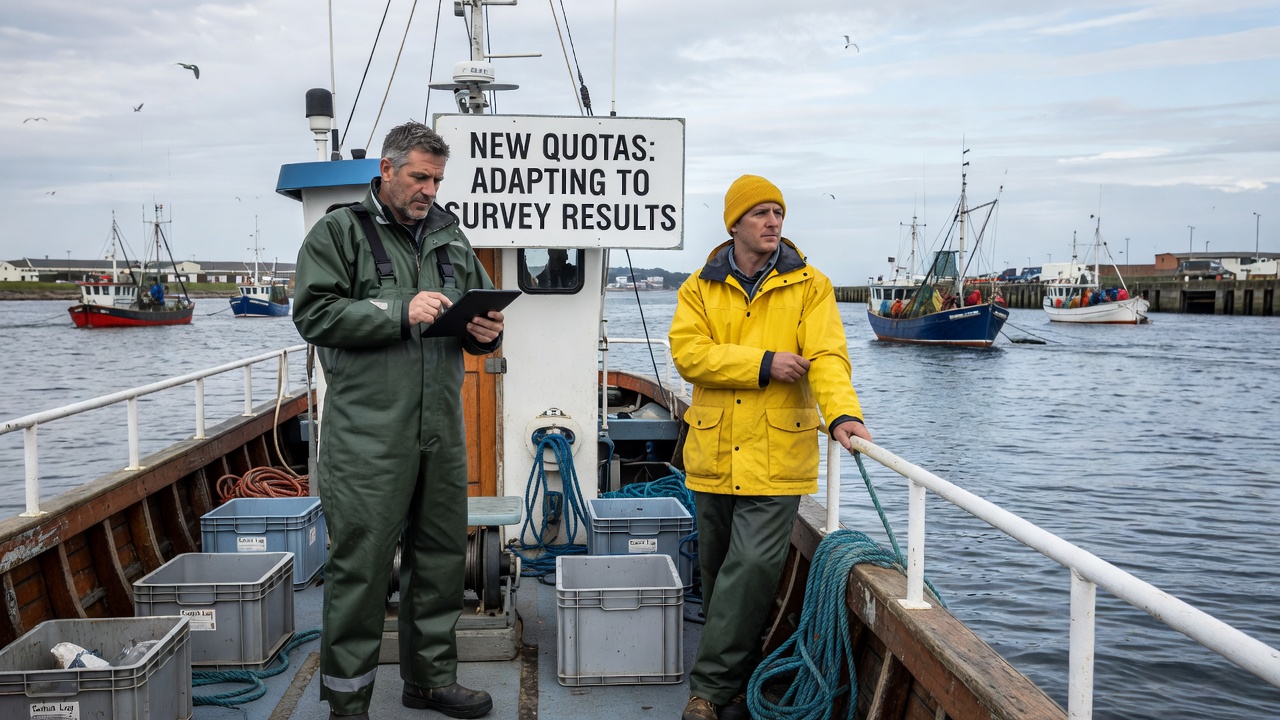
Stock assessment teams released updated biomass estimates in October 2026 that triggered automatic quota recalibrations across multiple commercial fisheries, and independent operators found themselves adjusting harvest plans within weeks of the announcements. Data compiled by government agencies showed declines in several groundfish populations while other species remained stable or showed modest recovery, yet the resulting allocation formulas produced uneven reductions that hit smaller vessels harder than larger fleets. Researchers at the National Oceanic and Atmospheric Administration documented these patterns through annual trawl surveys combined with acoustic monitoring, and the figures revealed that independent fishers holding smaller individual transferable quotas absorbed percentage cuts ranging from 12 to 28 percent depending on the management region.
Those who operate single-vessel businesses often lack the buffer that vertically integrated companies maintain through diversified permits, so the October 2026 adjustments forced many crews to decide between leasing additional quota at elevated market rates or tying up boats during peak seasons. Canadian Department of Fisheries and Oceans analysts reported parallel outcomes in Atlantic Canada where independent cod and haddock harvesters faced similar recalibrations after joint Canada-US surveys indicated slower rebuilding trajectories than previously projected. Observers note that the timing coincided with rising fuel and insurance costs, which compounded cash-flow pressure for owner-operators who already operate on thin margins.
Regional Variations Shape Different Outcomes
West Coast fisheries experienced more moderate quota shifts because survey data indicated stronger recruitment in several rockfish complexes, whereas New England and Mid-Atlantic fleets absorbed steeper reductions after assessments flagged persistent overfishing on certain flounder stocks. Australian Fisheries Management Authority reports from the same period highlighted how quota leasing markets absorbed much of the adjustment shock, allowing independent operators to trade units rather than reduce effort outright, and this market-based mechanism produced different behavioral responses than the command-and-control systems common in North American jurisdictions. European Commission fisheries data released in late 2026 showed that small-scale fleets in the North Sea adapted through collective quota pooling arrangements that spread risk across multiple vessels, although participation rates varied by member state.
One study released by the University of Washington examined 147 independent fishing businesses across three management areas and found that operators who diversified into complementary species or value-added processing maintained higher revenues despite quota reductions, while those locked into single-species permits recorded steeper income drops. The research team tracked settlement prices and lease rates over 18 months following the October 2026 announcements, and the results indicated that lease costs rose between 19 and 34 percent in the most constrained fisheries.
Adaptation Strategies Emerge Among Owner-Operators
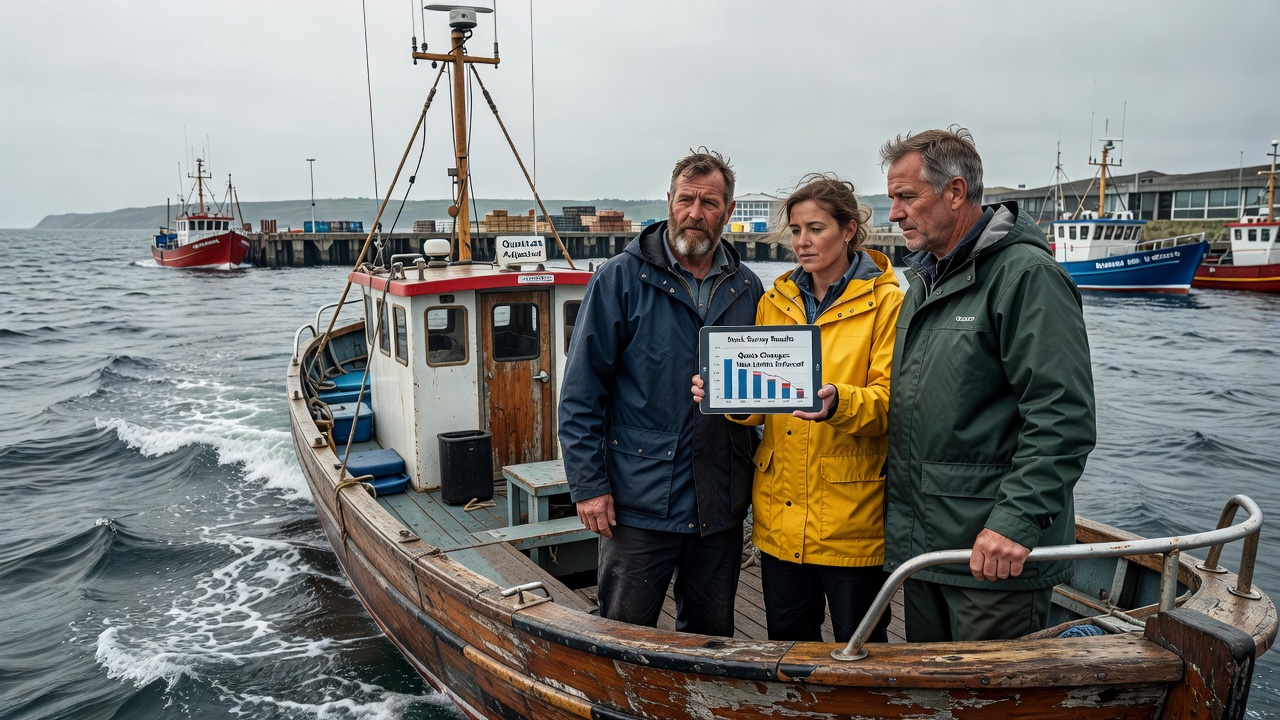
Many independent fishers responded by forming cooperative harvesting agreements that allow vessels to coordinate trips and share quota across multiple permits, and these arrangements reduced the need for expensive temporary leases during low-price periods. Others invested in electronic monitoring systems that qualify crews for higher catch shares under certain management plans, although the upfront costs required careful financing. Data from the Pacific Fishery Management Council indicates that participation in such monitoring programs increased by 22 percent among independent operators between 2025 and 2026, coinciding with the quota recalibrations.
Port-level infrastructure also influenced outcomes, because communities with active fish auctions and cold-storage capacity enabled quicker marketing of smaller landings, whereas isolated harbors saw more vessels remain at the dock. Industry associations documented cases where independent operators shifted effort toward underutilized species that carried higher quotas, yet market development for those alternatives often lagged behind the regulatory changes. The European Market Observatory for Fisheries and Aquaculture Products tracked price fluctuations following similar quota adjustments in EU waters and found that ex-vessel prices for several species rose between 8 and 15 percent as supply tightened.
Regulatory Frameworks Continue to Evolve
Management bodies have begun incorporating climate-driven distribution shifts into future survey designs, and independent fishers participate in stakeholder workshops that shape those modifications. According to NOAA Fisheries technical reports, incorporating environmental covariates into assessment models can alter quota recommendations by up to 30 percent in some cases, which underscores why ongoing dialogue between scientists and harvesters remains essential. Parallel work by Fisheries and Oceans Canada explores dynamic area closures that respond to real-time survey updates rather than fixed seasonal schedules, offering one potential pathway to reduce abrupt quota swings.
Conclusion
Independent fishers continue to adjust business models in response to the quota changes that followed the October 2026 stock surveys, and the outcomes vary according to region, species portfolio, and access to leasing markets or cooperative structures. Government agencies and academic researchers track these adaptations through ongoing data collection, while regulatory frameworks incorporate new survey methodologies aimed at improving accuracy. The process demonstrates how scientific assessments translate directly into operational constraints for owner-operators who lack the scale advantages of larger fleets, yet it also highlights the range of strategies that crews employ to maintain viability under shifting allocations.