Amir Koch · 5 November 2026
Coastal Residents Challenge Infrastructure Growth Over Lifestyle Concerns
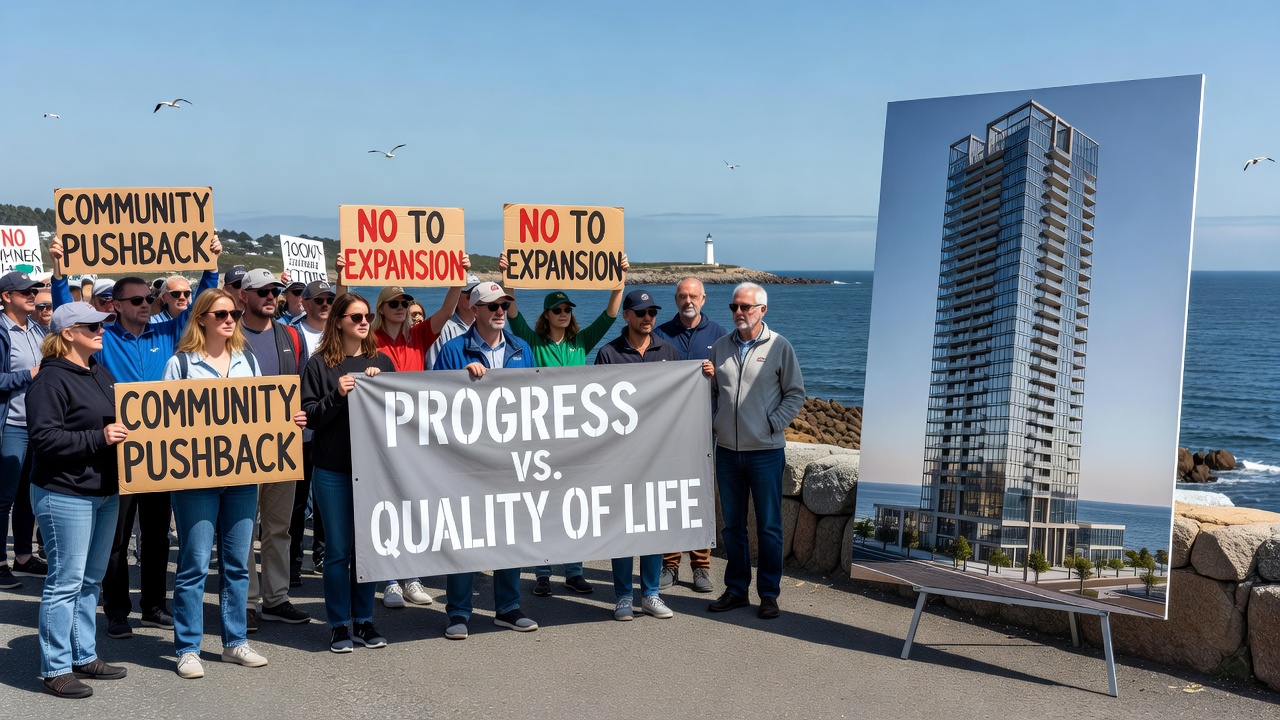
Coastal towns across multiple regions have seen organized resident opposition to infrastructure projects that include port expansions, road widenings, and new commercial developments, and data from local planning records shows these efforts often center on preserving residential character while balancing economic demands. Researchers at various institutions have documented how such pushback emerges when proposals threaten access to beaches, increase noise levels, or alter traffic patterns that residents have long relied upon for daily routines.
Patterns in Recent Project Proposals
Planning documents from several municipalities indicate that infrastructure initiatives announced in late 2025 and extending into November 2026 frequently involve dredging operations, terminal upgrades, and utility installations designed to accommodate larger vessels and increased tourism traffic. According to reports compiled by the National Oceanic and Atmospheric Administration, coastal populations in the United States have grown by approximately 15 percent over the past two decades, which creates pressure on existing facilities yet also heightens sensitivity to changes that affect scenic views and quiet neighborhoods. Community groups in places like those along the Atlantic and Pacific shorelines have submitted formal petitions citing studies on erosion rates and habitat disruption that accompany large-scale construction.
Observers note that meetings held in these towns draw hundreds of attendees who present data on property value shifts and public health metrics tied to construction timelines. One analysis from a university research team in California highlighted how similar projects elsewhere led to temporary spikes in particulate matter levels near residential zones, prompting calls for stricter mitigation measures before approvals move forward.
Economic Data and Resident Priorities
Figures from the U.S. Bureau of Economic Analysis reveal that coastal counties generate significant revenue from tourism and fishing industries, yet surveys conducted by independent polling organizations show many residents prioritize maintaining those sectors without the addition of industrial-scale infrastructure. In November 2026, several town councils are scheduled to review updated environmental impact statements that incorporate public comments collected throughout the year. Those statements typically include projections on job creation alongside estimates of increased vessel traffic that could affect local waterways.
What's interesting is how economic models presented at public hearings often contrast short-term construction employment gains against longer-term shifts in visitor spending patterns when natural shorelines undergo modification. Data indicates that communities with stronger protections for open spaces tend to sustain steady tourism income, while rapid buildouts sometimes correlate with declines in repeat visitors who seek less developed settings.
Environmental and Regulatory Context
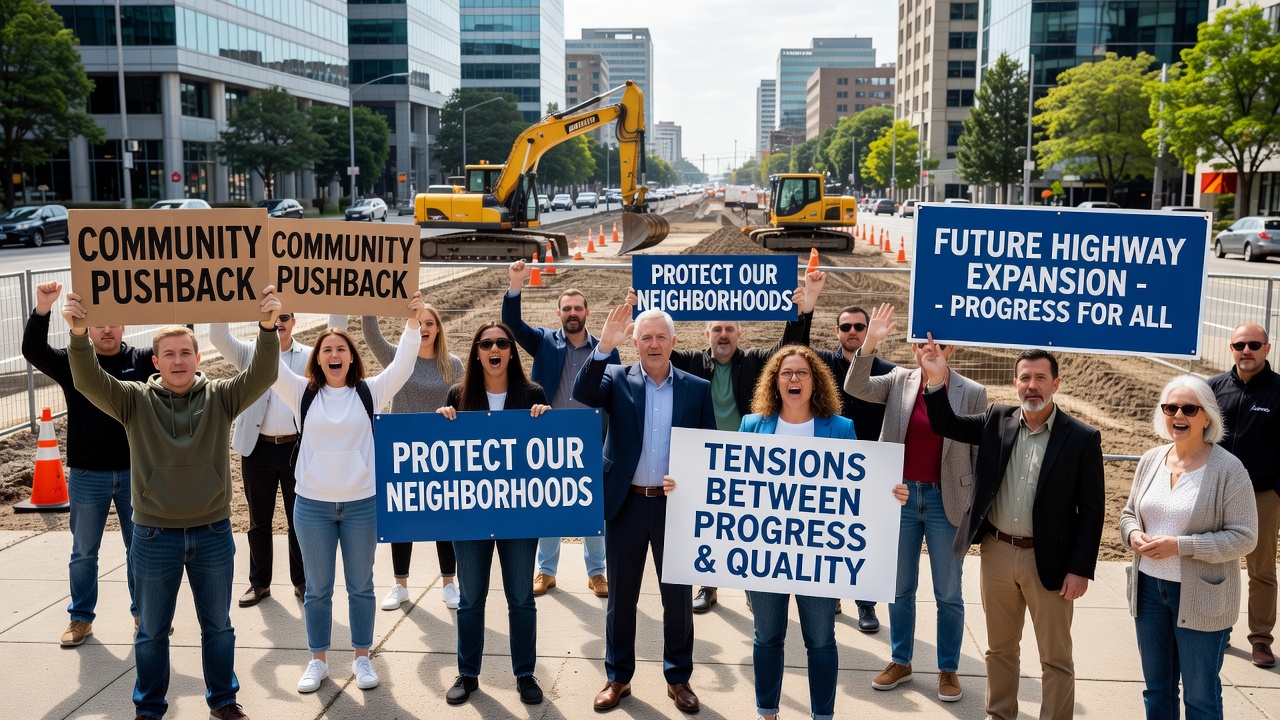
Regulatory filings with the Environmental Protection Agency document numerous instances where community organizations reference wetland preservation requirements and storm surge modeling when opposing expansions. International comparisons from sources such as the European Environment Agency illustrate parallel dynamics in port cities across member states, where resident input has led to scaled-back designs that incorporate green buffers and reduced lighting to limit impacts on nocturnal wildlife. Australian coastal management reports similarly note that public consultations have influenced decisions on breakwater placements to avoid altering sediment flows that protect adjacent beaches.
Those who've reviewed case studies from multiple continents find that successful negotiations often result in hybrid plans featuring phased implementation and ongoing monitoring programs. Evidence from academic papers suggests that transparency in sharing traffic and pollution forecasts builds greater acceptance, even when full project cancellation remains unlikely.
Community Organizing Approaches
Local advocacy networks have adopted strategies that include compiling photographic evidence of current conditions, hosting workshops on zoning laws, and coordinating with regional planning boards to request alternative alignments for new roads or pipelines. Records from municipal archives show that petitions gathered thousands of signatures in several recent campaigns, leading to extended review periods and supplemental studies on cumulative effects from multiple projects occurring simultaneously.
Researchers have observed that digital mapping tools now allow residents to visualize proposed changes in real time during hearings, which facilitates more precise feedback on specific elements like lighting placement or access points. Such methods have helped refine proposals without halting overall development timelines in some documented cases.
Conclusion
Available records and planning data demonstrate that infrastructure decisions in coastal settings continue to involve trade-offs between capacity enhancements and preservation of existing community features, with public input shaping outcomes through established regulatory channels. As reviews progress into November 2026 and beyond, the integration of resident-submitted information into final designs remains a consistent element across multiple jurisdictions.